Brilliant Thinkers, Successful People with Dyslexia
“The dyslexic brain is wired differently. It’s not better or worse, it’s just different. And if you understand that, then you can understand that dyslexic people can still achieve great things.” Dr. Harold Koplewicz
Dyslexia is a common learning difference that affects millions of people worldwide, and if your child has been diagnosed with dyslexia, it’s important to know that you’re not alone. Dyslexia can make reading, writing, and spelling difficult for your child, and it can be frustrating for both you and your child when they struggle. However, it’s important to remember that dyslexia is not a reflection of intelligence or ability, as shown by these four examples of brilliant minds who were constantly underestimated and very very close to not living out their dreams.
David Boies. Successful Lawyer. Dyslexic.
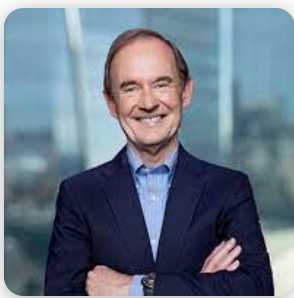
David Boies – Law
David Boies is an American lawyer who has represented some of the biggest companies and individuals in high-profile legal cases, including the U.S. government in the antitrust case against Microsoft and Al Gore in the Bush v. Gore election dispute. He struggled with dyslexia throughout his education and was not diagnosed until he was in his forties. Despite this, he has become one of the most successful lawyers of his generation.
Richard Branson, Entrepreneur
Richard Branson – Business
Richard Branson is a British entrepreneur who founded the Virgin Group, which has more than 400 companies in various industries, including music, airlines, and telecommunications. He struggled with dyslexia throughout his childhood and dropped out of school at the age of 16. However, he went on to become one of the wealthiest and most successful businessmen in the world.
Dr. Temple Grandin, leading expert on animal behaviour
Dr. Temple Grandin – Science
Dr. Temple Grandin is an American professor of animal science and a leading expert on animal behaviour. She has authored multiple books on animal behaviour and has been recognized for her contributions to the field. She was diagnosed with dyslexia as a child and struggled with social communication skills. However, she found success in science, and her work has had a profound impact on the agriculture industry.
Dr. Harold Koplewicz, Child Psychologist
Dr. Harold S. Koplewicz – Medicine
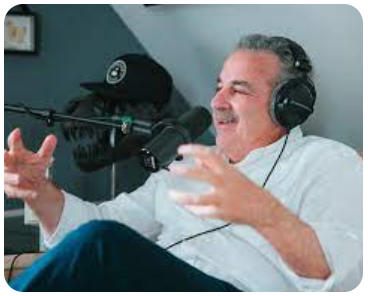
Dr. Harold S. Koplewicz is an American child and adolescent psychiatrist and the founder of the Child Mind Institute. He has written multiple books on child psychiatry and is a leading voice on mental health issues affecting children. He struggled with dyslexia throughout his education and initially pursued a career in journalism before switching to medicine. Despite his challenges, he has become one of the most respected child psychiatrists in the world.
Dr. Koplewicz was a guest on Armchair Expert with Dax Shepard where he discusses many topics related to his field of child psychiatry including, child mental health advocacy, overall attitudes toward science. He also discusses they way dyslexia can be seen as a gift.
While we’re fortunate to have these incredible minds leading the way in their fields, it’s also important to recognize the many brilliant individuals who may have given up on their dreams due to damaged self-esteem and lack of confidence caused by dyslexia. It’s all too common for people with dyslexia to believe they’re not as smart as others, and the challenges of timed tests and standardized assessments can make it even harder to succeed. However, it’s crucial to remember that dyslexia also comes with a “sea of strengths,” including creative thinking and compensatory cognitive strategies, that can lead to success in a variety of areas. With support and a belief in their abilities, dyslexic individuals can overcome the obstacles in their path and achieve great things.
Effective teaching strategies to improve reading comprehension, fluency, vocabulary, spelling, and writing. All across North America, teachers are being asked to implement a structured and explicit approach to reading and writing instruction. It is a period of great transition, and teachers have not had the benefit of being students and learning in this structured approach,…
Understand that print is a code for sounds and take the mystery out of what reading is…and what it isn’t. What is the Alphabetic Principle? The true foundation of reading is something called the alphabetic principle. It is a vital aspect of reading and writing. This is the idea that our letters are symbols that…
As a parent of a child with dyslexia, it’s important to understand that reading can be a challenging task for your child. Dyslexia is a neurodevelopmental condition that affects reading, writing and spelling, and it can make the process of learning to read difficult. However, with the right approach, your child can learn to read…
“Praise should not be treated as a rationed item. A child with dyslexia will receive their fair share of criticism.” -Dr. Sally Shaywitz In order to make students with dyslexia or learning disabilities feel seen, validated, and motivated, their painstaking effort taken in almost every subject area in school must be recognized by their teachers….
As a parent, you want nothing more than for your child to be successful in their reading journey. It’s important to know that one of the most effective ways to help your child become a proficient reader is by helping them build their vocabulary. But did you know that 50% of any text is made…
As parents, we want to help our child learn to read. A solid foundation in reading helps our kids build on it quickly in all subjects and it also helps our kids feel confident in their abilities. But your family is busy, you have many responsibilities, you need to make the most of the limited…